Every dental visit leaves a clue. orosignal reads them together.
AI that turns the X-rays, photos and charts your clinic already keeps into one patient timeline, and quietly flags oral changes linked to diabetes.
Decision support for dentists. Never a diagnosis.
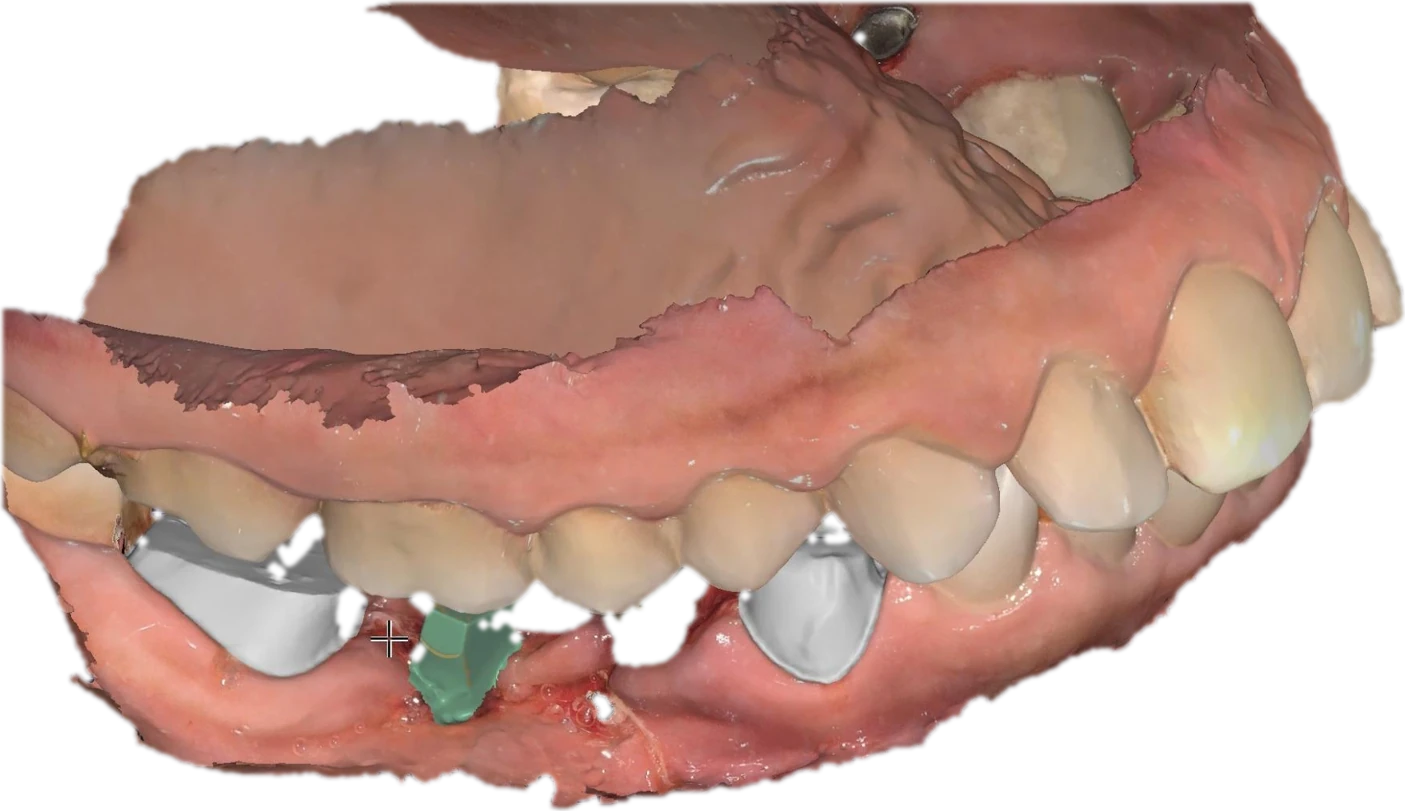
Gingival inflammation87% confidence
Early recession, lower front72% confidence
Bleeding on probing64% confidence
Oral disease affects 3.7 billion people, and more than a billion live with severe gum disease. Most of it builds slowly, in the gaps between visits, across records that are never read side by side.
For a patient with diabetes, that gap matters more. The link between diabetes and gum disease runs both ways, and it is clinically documented. Source: WHO.
The signs are in the chart. The pattern is not.
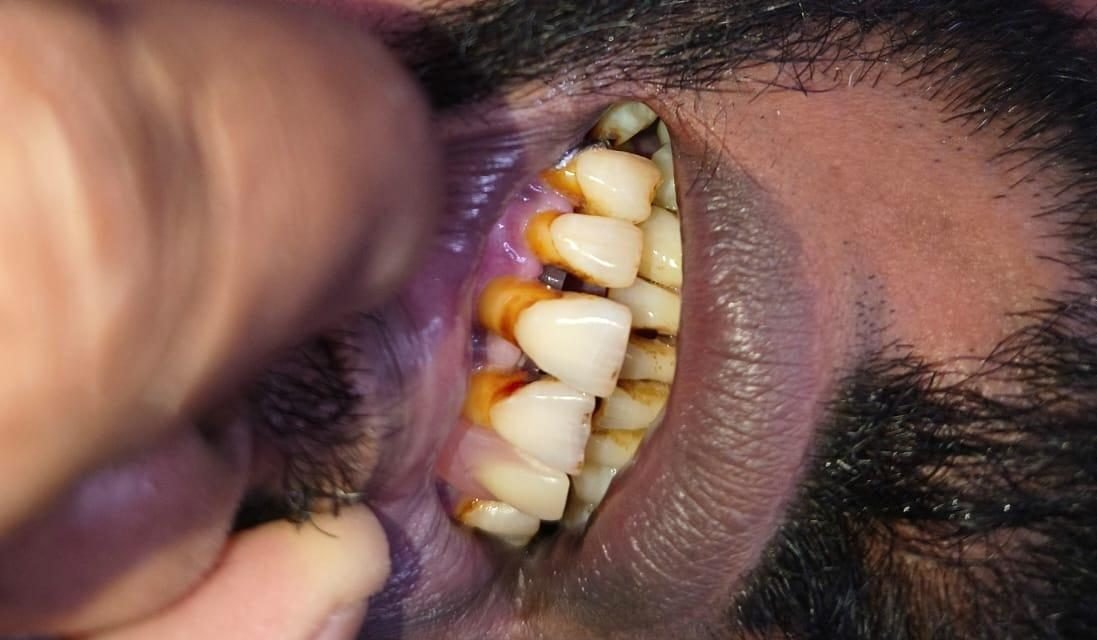
Photos sit in one folder, X-rays on another machine, charts in practice software, notes on paper, medical history on an intake form.
Each visit is read on its own, so a slow, steady change never shows up as a pattern. By the time a patient needs surgery, the record of how it got there is scattered or gone.
See how orosignal connects them
Indian guidelines already say what to do.
The Indian Society of Periodontology and RSSDI recommend that dentists screen and refer diabetic patients from oral findings. What has been missing is a system that tracks those findings visit over visit, automatically.
Connect the records. Reveal the pattern.
orosignal reads what your clinic already keeps and joins it into one timeline. No extra photos, forms or scans.
Five records in five places. Each visit is read on its own.
Watch a mouth change across five visits.
Each visit looks fine on its own. Together they tell a different story.
Simulation on a real scan
Visit 1 of 5, Jan 2025
Mild redness along the lower front teeth. Nothing unusual for a single visit.
Read from: Intraoral photos and periodontal chart
Flag for the dentist. Persistent oral changes may relate to this patient's existing condition. Worth a closer look.
Review in seconds.
A concept preview of the dentist review screen we are building, shown with illustrative data. Pick a patient and try it.
R. Sharma, 52
Type 2 diabetes on file
Pocket depth has risen across four visits and stayed above the watch level.
What we are building, and in what order.
The MVP is the first two steps: read the records, then join them into one timeline. The diabetes pattern comes next, once that foundation works.
- MVP · Step 1
Read the records
Take in the images and charts a clinic already has. AI extracts the findings into a patient record.
- MVP · Step 2
One timeline per patient
Visits combine into a single, growing profile for every patient.
- Next
Spot the diabetes pattern
Cross-reference oral findings with diabetes status to flag risk patterns.
- Then
Validate with clinicians
Work with dentists and endocrinologists. Dentist feedback refines the AI.
- Later
Widen the scope
More systemic conditions, deeper imaging and a broader clinic rollout.
Decision support, never diagnosis.
The dentist stays in charge of every call. orosignal is a second pair of eyes that never forgets a previous visit.
- Every finding shows a confidence score
- One tap to confirm, correct or dismiss
- Patients see a pattern to check, never a diagnosis
orosignal never says“You have diabetes.”
orosignal says“Persistent oral changes may relate to this patient's existing condition. Worth a closer look.”
We start narrow: diabetes and gum disease.
One relationship, proven properly, before anything else.
Dentists
A second pair of eyes across every visit, without changing how you work.
Clinics and chains
Consistent screening of diabetic patients across dentists and branches.
Clinical partners
We want to work with dentists and endocrinologists to validate the flag against real outcomes.
A dentist, an engineer and a surgeon.
Clinical credibility from day one, with practising specialists shaping the product alongside the technology.
Dr. Shalini Raghuvanshi
Co-founder
BDS, MDS (2nd year)
Pediatric and Preventive Dentistry
Saksham Raghuvanshi
Co-founder
B.E. Computer Science and Engineering
Technical Lead and Product
Dr. Neeraj Attri
Advisor
BDS, MDS
Oral and Maxillofacial Surgeon
Questions dentists ask us
Does orosignal diagnose diabetes?
No. orosignal is a decision-support tool. It never tells a patient they have a disease. It tells the dentist that persistent oral changes may relate to a patient's existing condition and are worth a closer look. The dentist decides what happens next.
Will my team have to do extra work?
No. Zero additional clinical workflow is our first rule. orosignal reads the photos, X-rays, charts and history your clinic already collects. Nobody takes extra photos or fills in new forms.
Which conditions does it cover?
We are starting with one relationship: diabetes and its documented link with periodontal disease. We would rather prove one thing properly than promise to detect everything.
How accurate will the findings be?
Every finding will be shown with a confidence score, and the dentist can confirm, correct or dismiss it in one tap. Corrections feed back into the model. Validating the flag against clinical outcomes is a core part of our plan.
Is orosignal available today?
Not yet. We are building the first version now. If you treat diabetic patients and want to shape what we build, join early access and tell us about your clinic.
Help us build what your records have been missing.
We are building the first version now. Tell us about your clinic and we will keep you close to what we build. No new hardware. No new forms.